
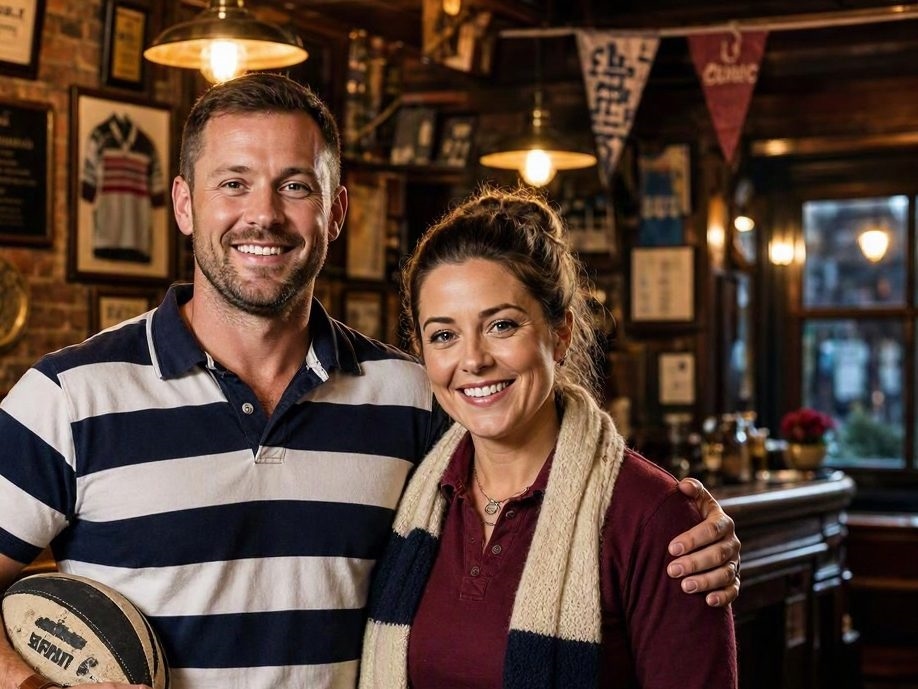
The problem with most rugby profiles
Scroll through a few dating profiles and you will see the same lines again and again. "Love my rugby." "Big Six Nations fan." "Looking for a plus-one in the clubhouse." They are not wrong, exactly, but they tell a reader almost nothing. Which team? Do you play? What does your week look like? What would a date with you actually involve?
A good rugby profile does two things. It shows clearly where the game fits in your life, and it gives a reader an easy, specific reason to message you. Here is how.
Clichés to skip
- "Rugby is life." It might be, but it sounds like a T-shirt slogan.
- "Must love rugby." Off-putting to the many lovely people who would happily learn.
- "Work hard, play hard." Says nothing and has been on a thousand profiles.
- "Looking for my teammate." Charming once, tired by the hundredth time.
- A list of every team you have ever supported. Pick the ones that matter.
Swap generalities for detail. Detail is what starts conversations.
Say what your season looks like
Readers want to know whether they would fit into your week. Tell them:
- How many evenings you train, if you play.
- Whether Saturdays are usually spoken for.
- What you do in the summer break.
- How you spend the Six Nations.
For example: "I train Tuesdays and Thursdays and play most Saturdays for a club side in north London, so I am a Friday-night and Sunday-afternoon kind of date in season. Summers are wide open."
That single paragraph does more work than a page of adjectives.
Club, country, position
You do not need to name your club if you would rather keep it private, but a general description helps. "A social side in Bristol", "the second team at my local club" or "a women's team near Leeds" gives a sense of who you are.
Your country matters too, especially if you are dating across borders. A Welsh fan in London or a Scot in Manchester is instantly interesting, and divided loyalties make for easy, flirty openers.
If you play, mention your position. Props, hookers, locks, flankers, scrum-halves, fly-halves, centres, wingers and full-backs all have their own reputations and in-jokes. A reader who knows the game will enjoy guessing what kind of person plays loosehead.
If you coach, referee, run the bar or organise the minis, say so. Those roles show commitment and character.
The rest of your life
Rugby is your hook, not your whole story. Add a few lines about your job, your friends, your family, what you cook, what you read, where you like to travel and what you do when there is no game on. The best profiles make a reader think, "I would like to spend an evening with this person", not just "I would like to watch a match with them".
Photos that work
- A clear headshot where your face is easy to see, ideally smiling.
- A full-length photo taken recently.
- A rugby photo, but one where you are recognisable. Not a muddy blur in a ruck, and not a team shot where readers must guess which one is you.
- One photo away from rugby: a wedding, a beach, a hill walk, your kitchen.
Avoid photos dominated by club crests, kit sponsors or alcohol brands, especially if you want to keep your club private. Plain kit or a training top is a good compromise. Leave out photos with children unless they are yours and you are comfortable sharing that.
Opening lines for rugby people
When you message someone, be specific. Pick up on something in their profile:
- "You play scrum-half? So you are the one who talks the most on the pitch as well?"
- "A Scotland fan living in Cardiff. How did the last Six Nations go in your house?"
- "I see you coach the minis. What is the funniest thing an under-eight has said to you?"
- "You mention a summer of sevens. Which tournament is your favourite?"
Questions that invite a story get better replies than compliments or one-word greetings.
How much rugby talk is too much?
A rough guide: rugby should be obvious, but not overwhelming. If every sentence of your profile mentions the game, a reader who is not obsessed may feel excluded. Aim for a profile where rugby is the first thing people notice and one of several things they remember.
If you do not play
You can still write a great rugby profile. Say how you got into the game, which team you follow, where you like to watch and what you enjoy about it. "I have never played, but I have not missed a Wales home game in ten years" is a great line. So is "I fell for rugby during the last World Cup and now drag my friends to every international."
If you are new to the game
Be honest and curious. "I do not know a line-out from a lineup, but I loved my first match and would happily be taught" is endearing and will attract people who enjoy sharing the sport.
Privacy tips
Rugby communities are close-knit. If you would rather not be spotted by teammates, keep your club name off your profile, avoid photos taken at your clubhouse and do not mention the exact times you train. You can share all of that once you trust someone.
Review and refresh
Look at your profile every few weeks. Update it when the season changes, when you change clubs or when you have a great new photo. A fresh profile shows you are active and engaged.
Three short examples
A prop from Gloucestershire: "Front row for a social side, which explains the ears. Weekdays I work in logistics; weekends I am usually at the club or on a long walk with my sister's dog. Looking for someone kind, who laughs easily and does not mind a muddy kitbag in the boot."
A supporter in Glasgow: "Never played, never missed a Scotland home game. I cook a mean stovies, read crime novels and would love someone to share a flask with on a cold afternoon."
A coach in Swansea: "I coach under twelves on Sunday mornings and referee the odd match. Off the pitch I am into live music and slow Sunday mornings. Hoping to meet someone who loves the game, or who is curious about it."
Each one says where the person stands in rugby, gives a glimpse of their wider life and ends with what they are hoping for.
Ready to write yours
You now have everything you need. Signup Here and give your profile the attention you would give a big match.