
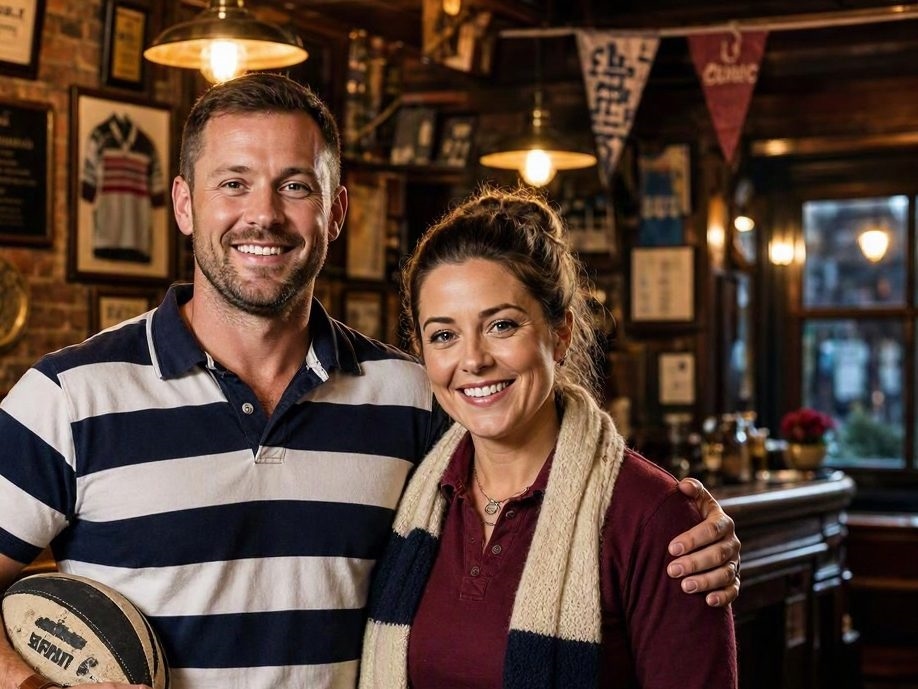
Look after yourself like you would look after a teammate
Rugby culture is big on looking out for each other. You check on the player who took a knock, you make sure everyone gets home after the end-of-season dinner and you do not leave anyone behind on tour. Bring the same instincts to online dating and you will avoid most of the problems people run into.
Here is the practical side: what to do before you meet, how to handle a first date on a match day, the scams to watch for and how to block or report someone. None of it is meant to put you off dating. The overwhelming majority of people online are simply hoping to meet someone nice. A few sensible habits make sure the rare exception does not spoil things.
Before you meet
Let a conversation run for a while before any meeting. A few days of conversation tells you a great deal: whether their story is consistent, whether they ask about you as well as talking about themselves and whether anything feels off. If someone pushes hard to meet immediately, or to move the conversation to another app straight away, slow things down.
Consider a brief video chat ahead of the date. It confirms the person looks like their photos and gives you both a sense of whether the chemistry is there. If someone always has an excuse not to video chat, treat that as a warning.
Keep personal details private at first. Your home address, workplace, surname and the exact times you train are all things you can share later, once trust has been earned. If you play for a local club, you might prefer not to name it until you have met.
Match-day first dates: crowds, drink and transport
A rugby match can make a brilliant first date. There is plenty to talk about, the atmosphere does half the work and you can learn a lot about someone from how they react to a missed conversion. But big games bring crowds, queues and a lot of alcohol, so plan carefully.
- Agree a clear meeting point away from the busiest gates, and make sure you both have each other's number on the day.
- Arrange your own way home. Trains after an international can be packed and delayed; know your options and do not rely on your date for a lift.
- Stay clear-headed: keep your wits about you, alternate with soft drinks and never leave a drink unattended.
- Brief a mate on the venue, your date's name and the time you expect to be back.
- Have a plan B. Leaving at the interval is perfectly acceptable if the crowd or the company stops being fun.
For a very first meeting, many people prefer something quieter: a coffee, a grassroots club fixture or a pub where you can actually hear each other. Save the sell-out international for the third or fourth date.
Ticket scams
Rugby tickets for big internationals are hard to come by, and scammers know it. Be wary of anyone you meet online who offers to sell you tickets, asks you to pay for theirs in advance or suggests a date at a sold-out game and then needs money to secure the seats. Only buy tickets through the venue's or club's own sales channels or authorised resellers.
Money scams
However genuine an online connection seems, money should never change hands. Common stories include a sudden emergency, a problem with travel to meet you, a medical bill, an injured relative or a business deal that needs a short-term loan. Some scammers build trust for weeks before asking. If anyone asks for money, gift cards, bank details or cryptocurrency, stop contact and report them.
Blocking and reporting
You can block anyone at any time; they will not be able to contact you again and will not be notified. If someone is rude, threatening, asks for money or seems to be using a fake profile, report them as well so the team can review the account. It helps to include a short description of what happened.
Rugby-specific privacy
Rugby communities can be small. People at your club may know each other's partners, exes and business. If you would rather keep your dating life separate, consider leaving your club name off your profile and avoiding photos with recognisable club kit or clubhouse backgrounds. You can always share more once you have met.
After the date
If the date went well, great. If it did not, it is fine to say so kindly and move on. If anything happened that made you feel unsafe, report it, and if a crime has been committed, contact the police.
Red flags in conversation
Some warning signs show up long before anyone mentions money. Watch for profiles with very few photos, all of which look professionally shot. Be wary of someone who claims to be working abroad, on an oil rig or in the military and cannot meet for months. Notice if their messages feel copied and pasted, ignore your questions or contain details that contradict earlier ones. And be cautious if someone declares strong feelings very early, especially before you have spoken on video.
None of these on their own proves anything. Together, they suggest you should slow down, ask more questions and, if the doubts grow, block and report.
Meeting someone from a rival club or nation
Rugby rivalries are part of the fun, and a little banter about the result is a fine way to flirt. Keep it light. If a date becomes aggressive about a match, mocks you persistently or pushes you to drink more than you want, that tells you something important about how they handle disagreement. You are entitled to end the date there.
UK help and advice
If you are worried about your safety, call 999 in an emergency or 101 for non-emergency police matters. Action Fraud is the UK's national reporting centre for fraud and cybercrime. If you have been affected by abuse or coercive behaviour, national helplines and charities offer confidential support.
Go with your gut
If anything feels off at any point, leave, block or stop replying. You owe nobody a second date or an explanation.
Ready to meet with confidence
Caution and romance are not opposites; trust simply needs a few weeks to grow. When you feel prepared, Signup Here and start a conversation on your own terms.